
Loading...
Loading...
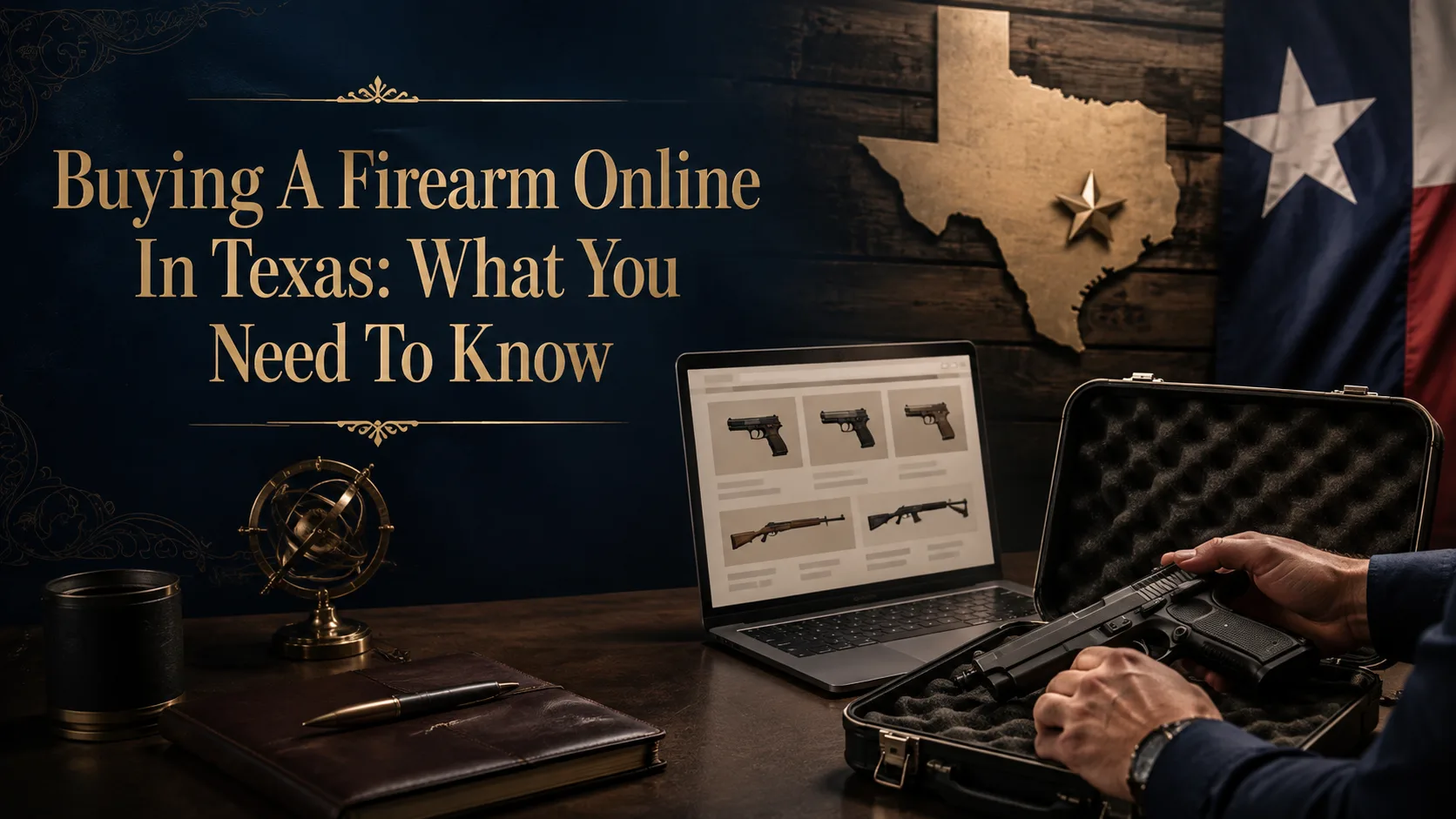
Buying a firearm online can give Texas shoppers access to inventory that may not be available at a nearby store. The purchase still includes a regulated transfer process before the firearm can be released.
For most interstate online purchases, the firearm is sent to a Federal Firearms Licensee, commonly called an FFL, in the buyer’s state. The receiving dealer handles transfer paperwork, verifies identification, and completes the applicable background-check process. ATF guidance explains that an interstate firearm transfer to an unlicensed buyer generally must go through an FFL in the buyer’s state.
An online firearm purchase usually involves the seller and the local FFL receiving the shipment. Paying for the firearm online does not complete the legal transfer to you. The receiving FFL must process the firearm and determine that it can lawfully be transferred before you take possession.
A typical purchase follows this general path:
LoneStar Heritage Gunworks asks customers to contact the shop before shipment so the transfer can be coordinated and the correct dealer information can be provided. Customers around Emory can learn more about local firearm transfers in Emory, Texas before placing an online order.
The receiving FFL has responsibilities beyond accepting the shipment. Licensed dealers must maintain required records and follow federal transfer rules before a firearm can be released to a nonlicensee.
| Transfer Stage | What It Generally Involves |
|---|---|
| Shipment Arrival | The FFL receives and records the firearm under applicable dealer requirements. |
| Buyer Identification | The dealer reviews acceptable identification for the person receiving the firearm. |
| ATF Form 4473 | The buyer provides information required for the firearm transaction record. |
| Background Check | The dealer completes the applicable NICS process unless a lawful exception applies. |
| Release | The firearm is released after applicable transfer requirements are satisfied. |
ATF states that Form 4473 is used by FFLs to collect information needed to determine if an unlicensed transferee may lawfully receive a firearm and to support the background-check process.
An online checkout screen does not determine legal eligibility to receive a firearm. Federal restrictions can apply based on age, criminal history, certain court orders, and other prohibited-person categories. A receiving dealer must follow federal, state, and local requirements that apply to the transaction.
Federal law also sets minimum ages for transfers by licensed dealers. An FFL generally may not transfer a rifle or shotgun to a person under 18, and may not transfer a handgun or other firearm to a person under 21.
If you are unsure about your eligibility or the legal status of a specific firearm, get reliable guidance before paying for the order. Special categories of firearms may involve additional rules.
Contacting your receiving dealer before checkout can save time. Some online stores keep FFL information on file, while others request license verification from the receiving dealer.
Ask the receiving shop about:
You should also confirm that the dealer can receive the specific type of firearm being purchased. A short conversation can prevent a shipment from arriving without the information needed for processing.
ATF Form 4473 is part of many retail firearm transfers through an FFL. The form records information about the buyer and transaction, and the dealer uses it when determining if the transfer may legally proceed.
The FFL generally contacts the National Instant Criminal Background Check System before completing a transfer unless an applicable exception exists. Federal regulations require the dealer to verify the buyer’s identity and complete the applicable NICS requirements before the firearm is released.
A delayed response does not automatically mean a denial. It can mean additional review is required before the dealer receives a final response or determines the lawful next step.
After legally receiving the firearm, review its overall condition and confirm that it matches the item you ordered. Follow the manufacturer’s instructions and safe-handling procedures during any inspection.
A new or used purchase may also need future service. A firearm with wear, fitting concerns, previous modifications, or a mechanical issue can be evaluated by a qualified professional. LoneStar Heritage Gunworks provides professional gunsmithing in Emory, Texas for diagnostics, repair, parts fitting, machining, and approved modification work.
Owners interested in changing or restoring the exterior finish can consider firearm Cerakote in Emory, Texas for eligible firearm surfaces. The shop offers single-color, multi-color, camouflage-inspired, and refinishing options based on the firearm and project.
A few questions can help you avoid problems before placing an order.
Look for clear contact information, purchasing terms, and an established sales process. Review the seller’s return or cancellation policy.
Contact the receiving dealer first and confirm fees, shipment details, and pickup expectations.
Confirm that the firearm can legally be transferred to you under current federal, state, and local law. Regulated firearms may involve additional requirements.
Buying a firearm online in Texas can be straightforward when the seller, receiving FFL, and buyer each complete their part of the process. Choosing the receiving dealer before shipment and understanding the paperwork can remove much of the uncertainty from pickup.
For buyers in Emory and the surrounding East Texas area, LoneStar Heritage Gunworks can receive qualifying online firearm purchases and guide customers through the applicable transfer process. Contact the shop before ordering so dealer information, shipment, and pickup steps can be coordinated correctly.